[2025 Diagnosis] The Calculator is Dead: Accountants Reborn as 'Interpreters'
1. Is the Accountant Extinct? Remember the Excel Revolution
"AI will replace accountants." It's a prophecy we hear every year. Indeed, in 2025, artificial intelligence scans receipts, enters journal entries, and detects errors in financial statements in a split second. If we only look at the volume of simple tasks, the ground for human accountants seems to be shrinking.
But let's look back at history. When Excel (spreadsheets) first appeared in the 1980s, people predicted the "end of the accountant." What was the result? The "bookkeepers" who clicked abacuses disappeared, but the value of "professional accountants" who analyzed data skyrocketed. The current AI shock is no different. What is disappearing is the "simple calculator," not the "accounting expert."
2. What Has Changed? From 'Lagging' to 'Leading'
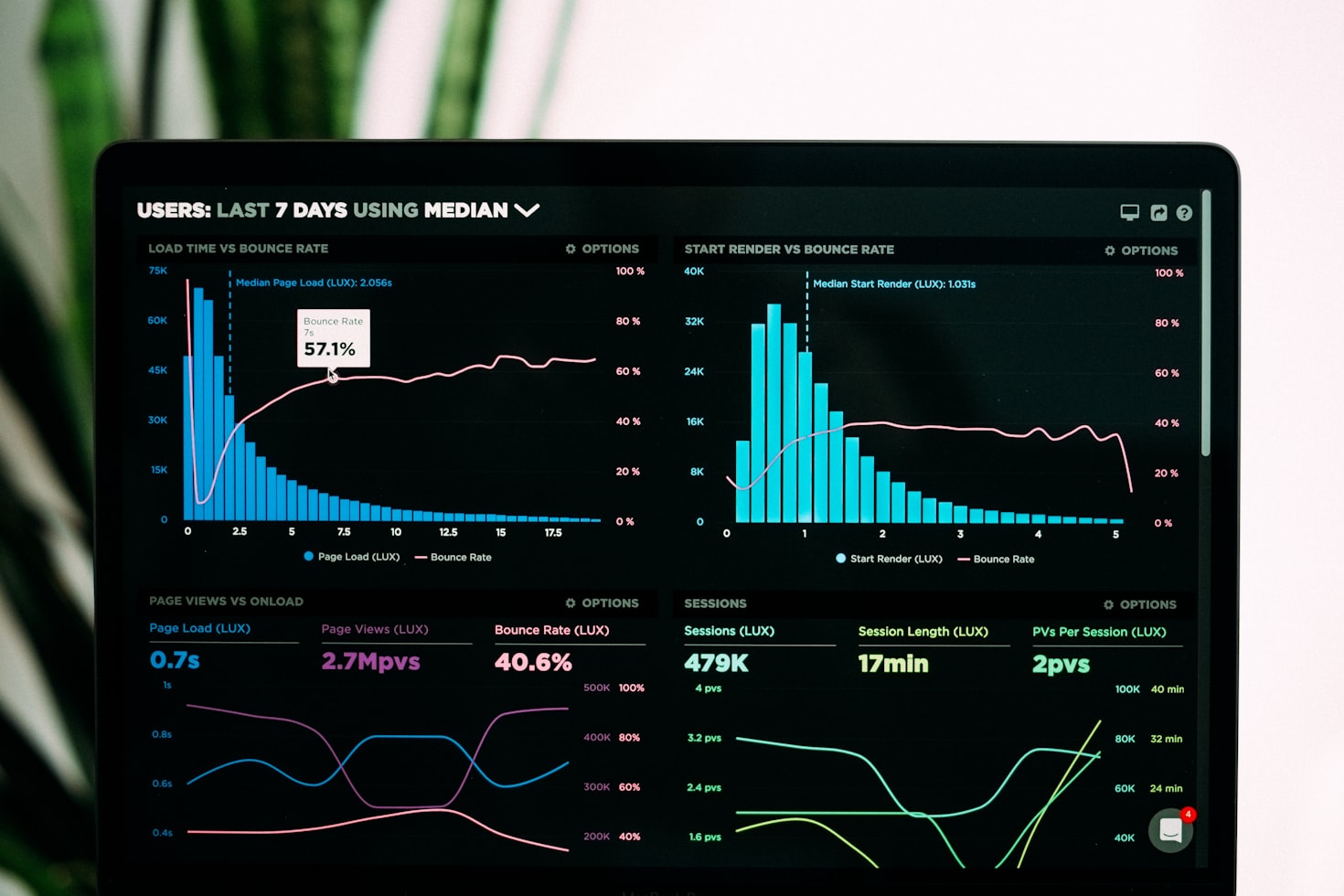
In the past, accounting was about "recording the past." The main job was to summarize the money a company spent over a year and report, "We made this much last year." This is what AI does best.
(Credit: Photo by Luke Chesser on Unsplash / Courtesy of Unsplash)
However, accounting in 2025 is different. Based on the past data organized by AI, the job has shifted to proposing the future: "Therefore, next year we must do this." This is what we call the role of a 'Strategic Advisor'.
First, The End of Bookkeeping, The Rise of Consulting
The business model of simply writing ledgers and receiving fees is collapsing. Now, accountants must be able to tell clients, "Profitability in this business sector is falling, so we need to reallocate resources." Those who create numbers will vanish; those who interpret and explain numbers will survive.
Second, Evolution of Audit: The Era of Total Inspection
In the past, we sampled and tested because there was no time. Now, AI performs a 100% total inspection. The accountant takes on the role of the 'Final Judge', determining whether the 'anomaly' found by AI is a simple error or a signal of embezzlement or accounting fraud.
3. Survival Conditions: AI Literacy and Ethics
So, what kind of accountant is needed after 2025? A CPA license alone is not enough. You need two more weapons.

(Credit: Photo by Annie Spratt on Unsplash / Courtesy of Unsplash)
First, The Ability to Command AI (Prompt Engineering)
Just as you couldn't be an accountant without knowing Excel functions, now the ability to give precise instructions to AI is essential. The 'ability to ask questions'—training AI on complex tax regulations and deriving tax-saving strategies tailored to a client's situation—is now your skill set.
Second, Ethical Judgment
AI is efficient, but it is not ethical. Only humans can balance the line between tax evasion and tax avoidance, or between corporate profit and social responsibility. As technology advances, the value of the asset called 'Trust' will shine even brighter.
- Role Shift: 'Bookkeeper' → 'Financial Strategist'.
- Core Competencies: Complex data interpretation, AI tool utilization, Critical thinking.
- Opportunity: Investing time saved from automation into high-value consulting.
4. Conclusion: Drop the Calculator, Pick Up the Compass
In the AI era, the future of accountants is not bleak. Rather, it is an opportunity to escape the boring prison of 'number entry'.
Now, leave the calculator to AI. And pick up the compass that points the direction for the enterprise. Only accountants who read the context beyond the numbers and design the future beyond the past will become the protagonists of 2025.


